Beating the Heat Wave: How High Cabin Temperatures Damage Electronics and How to Prevent It

Beating the Heat Wave: How High Cabin Temperatures Damage Electronics and How to Prevent It

Introduction When outdoor temperatures reach 90°F on a clear summer day, the greenhouse effect inside a sealed vehicle can drive cabin temperatures above 140°F in under an hour. Direct dashboard exposure can exceed a blistering 180°F. This intense thermal stress does more than make your commute unbearable—it degrades plastics, damages delicate dashboard touchscreens, and destroys the chemical stability of mobile electronics. Carvibe explains how to manage extreme cabin heat effectively.

1. Thermal Degradation of Modern In-Cabin Tech Modern cars are rolling computers, and heat is electronics' worst enemy.

  • Lithium Battery Swelling: Leaving power banks, portable jump starters, or old smartphones sitting in direct sunlight can cause lithium-ion cells to swell, vent gas, and pose a severe fire hazard.

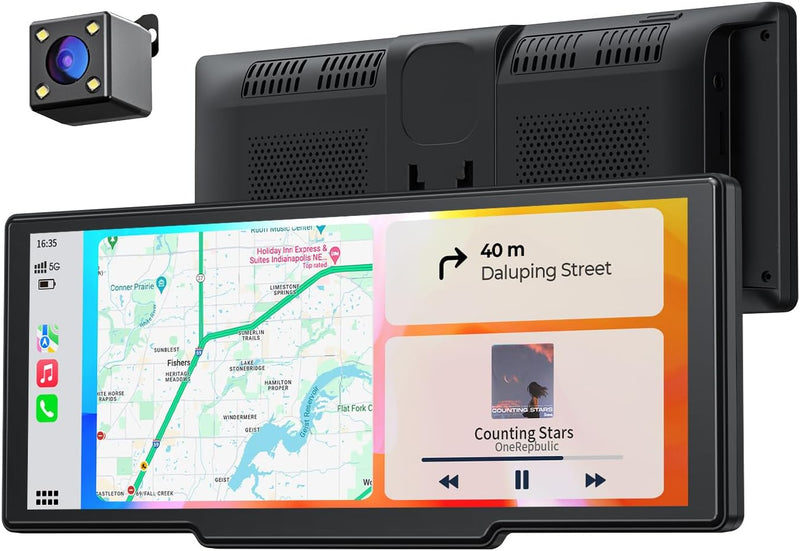
  • Infotainment Delamination: Factory LCD screens and aftermarket displays are held together by optical adhesives. Extended heat cycling causes adhesives to melt and bubble, leading to screen ghosting, unresponsive touch sensors, and costly display replacements.

2. Custom-Fit Windshield Sunshades: The First Line of Defense Universal, folding mesh shades leave massive gaps where radiant heat enters unimpeded.

  • Reflective Mylar Layers: A multi-layered, custom-cut sunshade that covers every square inch of your windshield reflects up to 99% of incoming solar radiation.

  • Temperature Differential: High-efficiency shades can reduce interior dashboard temperatures by up to 40°F, preventing vinyl and leather from drying out and cracking over time.

3. Smart Cabin Airflow Management A closed car creates a thermal trap. Managing airflow mitigates peak heat spikes.

  • The Quarter-Inch Crack Technique: Lowering opposite windows by less than half an inch allows hot air to escape naturally through convective circulation without creating an obvious security risk.

  • Vent Mount Placement: Keep phone mounts positioned directly in front of the center air conditioning vents. Using navigation and fast charging simultaneously generates internal phone heat; active AC airflow prevents your device from entering thermal shutdown.

4. Leather and Plastic UV Conditioning Heat pulls moisture out of interior trims, accelerating dashboard shrinkage and seam separation.

  • Non-Greasy Matte Sealants: Apply UV-blocking interior protectants bi-weekly during summer. Avoid greasy, high-gloss dressings that attract airborne dust and magnify solar heat like a magnifying glass.

Conclusion Proactive thermal management saves thousands of dollars in electronic and upholstery repairs. Prepare your vehicle for peak summer temperatures with the advanced cooling and sun-protection accessories at Carvibe.

Back to blog