PPF vs. Ceramic Coating vs. Vinyl Wraps: Which Paint Defense Do You Actually Need?
Share
Introduction Walk into any high-end automotive shop, and you will be inundated with recommendations for paint protection: clear bras, ceramic sprays, nanotech sealants, and custom wraps. With costs ranging from $30 for DIY bottles to $7,000 for professional shop applications, choosing the right exterior defense can feel overwhelming. Carvibe demystifies the differences between Paint Protection Film (PPF), Ceramic Coatings, and Vinyl Wraps so you invest your budget where it truly counts.
1. Paint Protection Film (PPF): The Physical Armor PPF is a thick, transparent thermoplastic urethane film applied directly over painted panels.
Primary Function: Impact defense. It is the only automotive product capable of absorbing the kinetic energy of flying gravel, road salt, and highway rock chips without chipping the underlying paint.
Self-Healing Properties: Premium modern films feature elastomeric polymers that automatically heal fine swirl marks and light scratches when exposed to engine heat or direct sunlight.
Best Application: High-impact strike zones, including the front bumper, hood, side mirrors, and lower rocker panels.
2. Ceramic Coatings (SiO2/TiO2): The Chemical Shield & Gloss Multiplier Ceramic coatings are liquid polymers that chemically cross-link with your vehicle's factory clear coat.
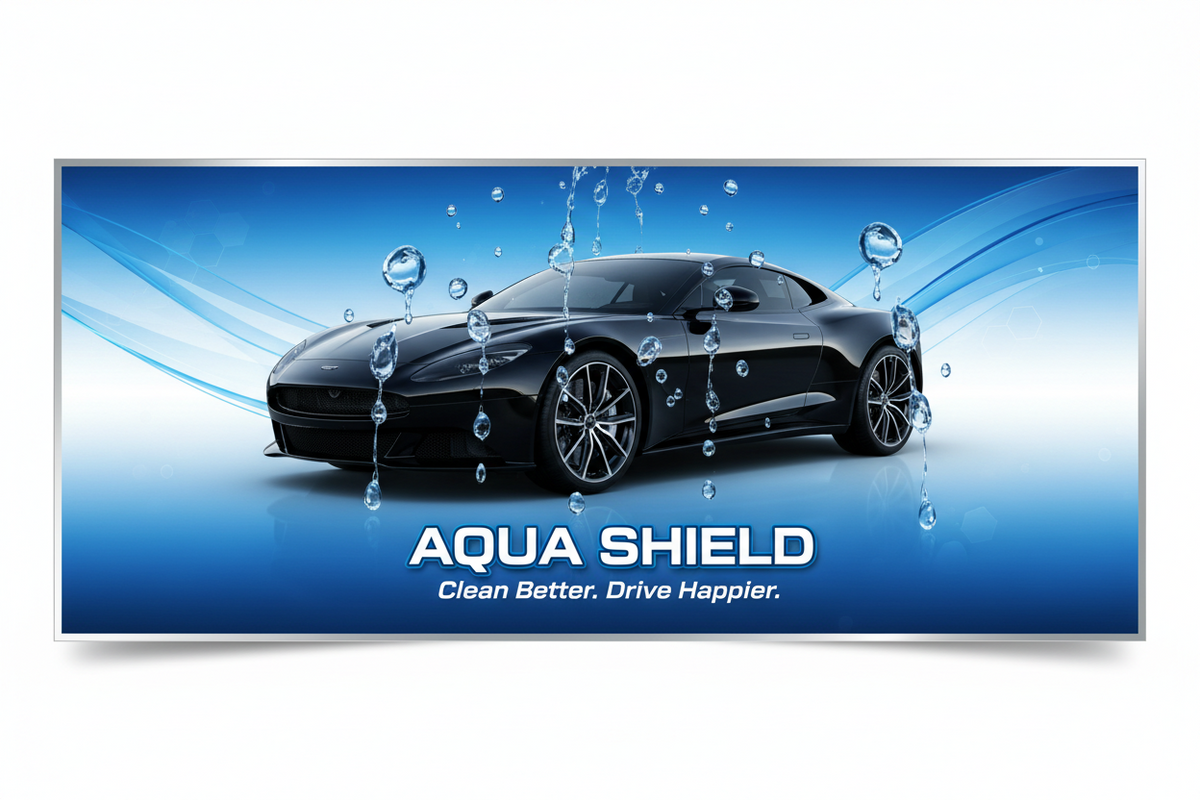
Primary Function: Chemical, UV, and environmental resistance. Ceramic coatings do not stop rock chips, but they create a hard, hydrophobic glass-like layer that prevents bird droppings, tree sap, and acid rain from etching into the paint.
Maintenance Benefits: The hyper-smooth surface repels water and dust, allowing dirt to rinse away with minimal friction during your weekly wash routine.
Best Application: Whole-vehicle coverage, exterior plastics, and wheel faces to prevent hot brake dust adhesion.
3. Vinyl Wraps: Cosmetic Customization Vinyl is a thinner, colored polyvinyl chloride film designed primarily for aesthetics rather than durability.
Primary Function: Style transformation. Vinyl allows you to completely alter the color or finish (matte, satin, metallic) of your vehicle without respraying factory paint.
Durability Limitations: Vinyl offers minimal impact protection against rocks and degrades quickly if exposed to intense UV rays without proper maintenance.
The Hybrid Strategy: The Professional Recommendation The most cost-effective solution for modern drivers is a targeted hybrid strategy:
Apply PPF to the front bumper and forward edge of the hood to eliminate highway rock chips.
Apply a durable DIY Ceramic Coating over the entire vehicle (including over the PPF) to maximize water beading, prevent UV fading, and maintain deep optical gloss.
Conclusion Understanding your driving environment dictates the protection you need. Shield your clear coat from the elements with industry-grade sealants and maintenance tools from Carvibe’s Exterior Care Collection.