The Day Our Daughter Learned to Drive

The Day Our Daughter Learned to Drive

The Empty Parking Lot

We chose a Sunday morning.

The shopping center was closed.

The parking lot was almost completely empty.

My daughter sat behind the wheel with both hands gripping it tightly.

I sat in the passenger seat pretending to be calmer than I actually was.

“Foot on the brake,” I said.

“I know.”

“Check your mirrors.”

“I know, Dad.”

She had not moved the car yet.

We were already arguing.


Five Miles Per Hour Felt Fast

The first lap around the parking lot happened at approximately the speed of a person jogging.

To her, it felt fast.

She turned too sharply.

Braked too suddenly.

Forgot the turn signal.

Then remembered it when there was nobody around.

We laughed.

She relaxed.

Another lap.

Then another.


Learning More Than Controls

Over the following months, we practiced everywhere.

Quiet neighborhood streets.

Suburban roads.

Highways.

Rain.

Night driving.

Parking.

Each situation taught something different.

But I realized I was teaching more than how to operate a vehicle.

I was teaching judgment.

Patience.

Awareness.

Responsibility.


Preparing Her Own Driving Space

When she eventually received her license, we prepared the car together.

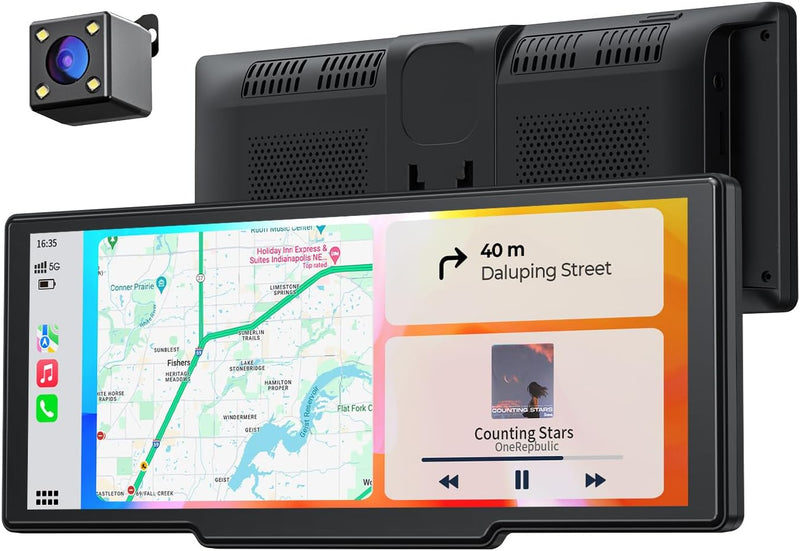
We installed a secure phone mount so navigation could remain visible without holding the device.

We added a charger.

We organized the console.

The trunk received a basic roadside kit.

We checked the tire pressure.

She learned where the spare tire equipment was located.

She learned that preparation begins before the engine starts.


The First Drive Without Me

The strangest moment came when she finally drove away alone.

I stood in the driveway watching the taillights disappear.

For months, I had wanted her to become confident enough to drive independently.

Now that she could, I wanted to climb back into the passenger seat.

Twenty minutes later, my phone buzzed.

“Made it.”

Two words.

I stared at them longer than necessary.


What New Drivers Really Need

Young drivers don't need a car filled with unnecessary accessories.

They benefit most from simple equipment that supports good habits:

  • Secure phone mount
  • Reliable charging
  • Tire pressure gauge
  • Portable tire inflator
  • Basic roadside supplies
  • Flashlight
  • First-aid supplies
  • Organized storage

Technology should support attention—not compete with it.


Years Later

Today, my daughter drives confidently.

Sometimes I ride in the passenger seat.

Occasionally I catch myself saying:

“Check your—”

She looks at me.

I stop.

She smiles.

Some habits are harder for parents to break than they are for drivers.


Final Thoughts

Teaching someone to drive is a strange experience.

You begin by teaching them how to control a car.

Eventually, you have to trust them enough to let them go.

The road teaches the rest.

Explore Smart Driving, Roadside & New Driver Essentials at carvibe™.

Back to blog