The Morning Everything Felt Different
The motorcycle was ready.
At least, that's what Daniel believed.
He had checked the fuel, cleaned the bike, and planned a beautiful route through the mountains.
The weather forecast looked promising.
The roads were familiar enough.
He expected a memorable weekend.
What he didn't expect was how different a full day of riding would feel compared with his usual short trips around town.
By lunchtime, his hands were tired.
His luggage arrangement was inconvenient.
He had stopped more often than planned.
And he was beginning to understand why experienced touring riders pay so much attention to preparation.
1. The Difference Between Riding and Touring
A short ride and a long-distance motorcycle journey are different experiences.
On a short trip, small inconveniences may go unnoticed.
During several hours on the road, those inconveniences can become significant.
Gloves that feel acceptable for twenty minutes may be uncomfortable over a long period.
Poorly secured luggage can create problems.
Unexpected weather can affect comfort and visibility.
Long-distance riding requires planning around both the motorcycle and the rider.
2. The Lesson About Protective Gear
Daniel had purchased his first riding gloves primarily because he liked their appearance.
After several hours, he realized fit mattered much more.
Good motorcycle gloves should suit the riding conditions and provide appropriate protection without restricting normal control operation.
He began paying attention to:
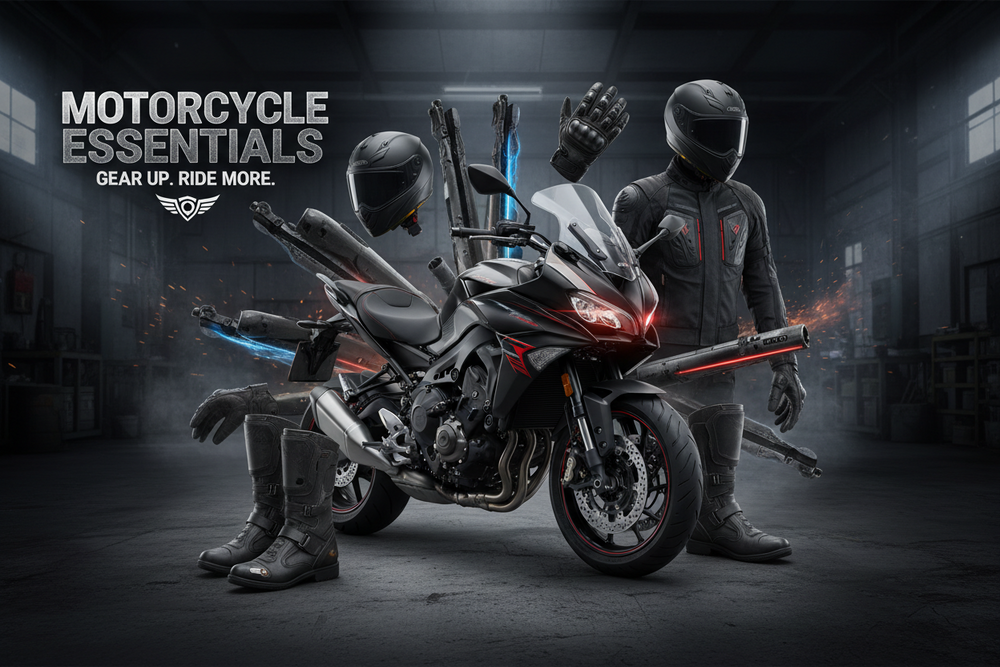
He also understood the importance of a properly fitted certified helmet, protective jacket, pants, and boots.
Motorcycle gear is not simply a fashion choice.
It is an important part of riding preparation.
3. The Lesson About Weather
The morning had been cool.
By afternoon, the temperature had climbed.
Then clouds moved over the mountains.
A light rain began.
Daniel had packed a jacket but had not considered how conditions could change throughout the day.
On future rides, he planned more carefully.
He checked forecasts for the full route rather than only the departure location.
He carried suitable weather protection.
He allowed time to stop safely when conditions deteriorated.
And he became more willing to change his plans.
4. The Lesson About Luggage
Packing a motorcycle requires restraint.
Every item needs a purpose.
Daniel's first luggage arrangement made frequently needed items difficult to access.
At one stop, he had to unpack several things just to find his rain gear.
After the trip, he reorganized his approach.
Keep Essentials Accessible
Documents, water, appropriate weather gear, and other frequently needed items should have designated locations.
Secure Every Item
Use luggage and mounting equipment suitable for the motorcycle.
Follow the motorcycle's weight and loading limits.
Keep Weight Distribution in Mind
Improper loading can affect handling.
Consult the motorcycle manual and luggage manufacturer instructions.
Pack Less
Avoid carrying unnecessary items simply because space is available.
5. The Lesson About Breaks
One of the most important lessons had nothing to do with equipment.
Daniel learned that fatigue develops gradually.
He began planning rest stops rather than treating them as interruptions.
He drank water regularly.
He avoided rushing to meet unrealistic mileage goals.
He stopped when tired.
A successful motorcycle journey is not measured only by distance.
It is measured by arriving safely and enjoying the experience.
6. A Practical Touring Preparation Checklist
Before a longer ride, consider:
-
Tire condition and pressure
-
Fluid levels as applicable
-
Brakes and lights
-
Chain or drive-system condition as applicable
-
Helmet and protective equipment
-
Gloves suited to conditions
-
Weather forecast
-
Secure luggage
-
Route and fuel stops
-
Emergency contacts
-
Basic roadside supplies
-
Hydration and rest planning
Follow your motorcycle manufacturer's maintenance recommendations.
7. Recommended carvibe™ Collections
Motorcycle Gloves
Motorcycle Accessories
Rider Comfort Gear
Motorcycle Storage Accessories
Roadside Essentials
Choose products appropriate for your motorcycle and intended riding conditions.
8. Quick Buying Guide: Motorcycle Gloves
Fit
Gloves should allow comfortable control operation without excessive looseness.
Protection
Look for construction and protective features suitable for your type of riding.
Weather
Consider ventilation, insulation, and water resistance based on conditions.
Durability
Check seams, closures, and material quality.
Compatibility
Make sure the gloves work comfortably with your jacket sleeves and motorcycle controls.
9. Before & After
Before: A rider focuses mainly on the route and appearance of equipment.
After: The rider plans around protection, comfort, weather, loading, fatigue, and practical preparation.
The motorcycle hasn't necessarily changed.
The rider's understanding has.
Frequently Asked Questions
Do I need different gloves for different seasons?
Many riders benefit from gear suited to different temperatures and weather conditions.
How much luggage should I carry?
Carry what you need while staying within the motorcycle's specified loading limits.
What is the most important touring habit?
Preparation and attentive riding are essential. Regular breaks and flexibility when conditions change are also important.
Final Thoughts: The Ride That Changed His Perspective
When Daniel returned home, the motorcycle was covered in road dust.
His luggage needed reorganizing.
His body was tired.
But he was smiling.
The trip had taught him more than several months of short rides.
He had discovered that motorcycle touring is not simply about freedom.
It is about earning that freedom through preparation, patience, and respect for the road.
The next journey would be different.
Not because he had become fearless.
Because he had become more thoughtful.
Explore Motorcycle Riding & Touring Essentials at carvibe™
Drive the Detail. Feel the Vibe.