The Parasitic Draw Dilemma: Why Your Car Battery Keeps Dying Overnight
Share
Introduction There are few automotive experiences more frustrating than turning the ignition key and hearing a weak click followed by dead silence. Even worse is when you replace the battery with a brand-new unit, only to face the exact same dead-battery scenario three days later. When a good battery dies repeatedly in a parked vehicle, you are likely dealing with a "parasitic draw"—an electrical leak quietly draining your power reserve while you sleep.
What Causes a Parasitic Battery Drain? Modern automobiles are complex networks of onboard computers, sensors, and electronic relays. When you shut off the engine, these systems undergo a "sleep cycle," gradually powering down over 15 to 30 minutes until the electrical draw drops below a safe 50 milliamps (0.05A). A parasitic draw occurs when a module fails to sleep:
A stuck glovebox or trunk switch leaving a hidden interior bulb continuously illuminated.
An internal alternator diode failure allowing current to bleed backward into ground.
Poorly installed aftermarket sound systems or uncertified accessories remaining fully energized.
How to Diagnose the Leak with an OBD2 Scanner and Multimeter Before spending hundreds on shop labor, you can perform a basic diagnosis at home:
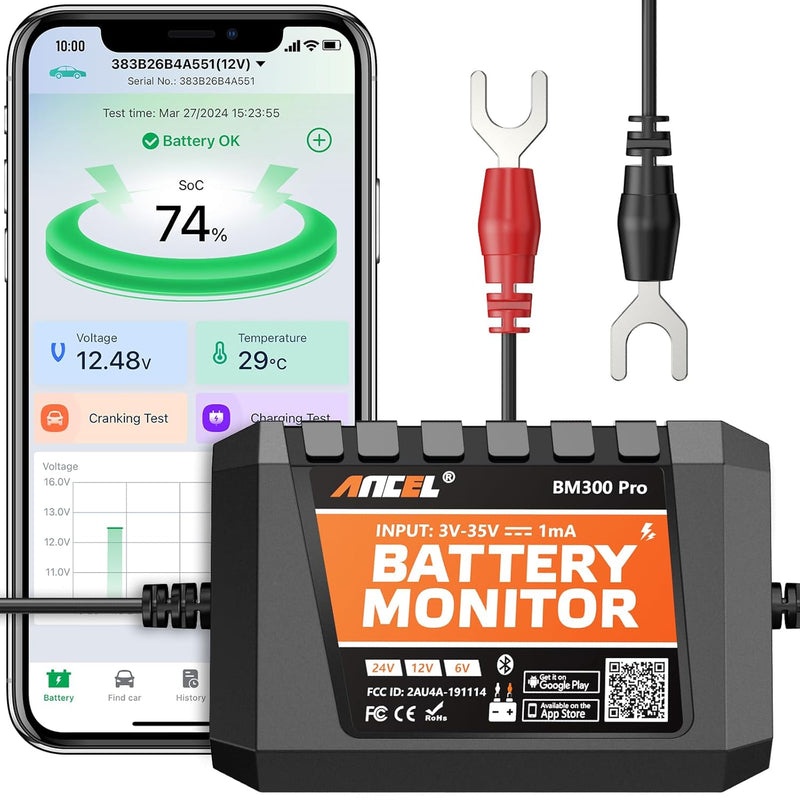
Monitor Resting Voltage: A fully charged 12V automotive battery should read 12.6V to 12.8V at rest. If your battery drops below 12.2V after sitting overnight, a significant draw is actively pulling current.
Scan for Body Control Codes: Plug a Bluetooth OBD2 scanner into your vehicle's diagnostic port. Advanced scanners can communicate with the Body Control Module (BCM) to identify if an open door switch, immobilizer malfunction, or keyless entry module is keeping the system awake.
The Multimeter Fuse Pull Test: Set a digital multimeter to direct current (DC) Amps, disconnect the battery's negative terminal, and place the meter leads in series between the post and the cable. Once the vehicle enters sleep mode, pull fuses one by one until the high amperage drops to normal levels, isolating the offending circuit.
The Essential Defense: Self-Sufficient Jump Starters While diagnosing electrical gremlins takes time, you cannot afford to be stranded in parking lots or on highway shoulders. Carrying an ultra-compact lithium jump starter in your trunk ensures that even if a parasitic draw empties your battery overnight, you can deliver 1,500+ peak cranking amps to restart your vehicle instantly without another driver’s assistance.
Conclusion Take the mystery out of automotive electrical problems. Arm yourself with intelligent diagnostic scanners and cold-crank lithium power packs from Carvibe’s Tools & Safety Collection to ensure you are never stranded by a silent drain.