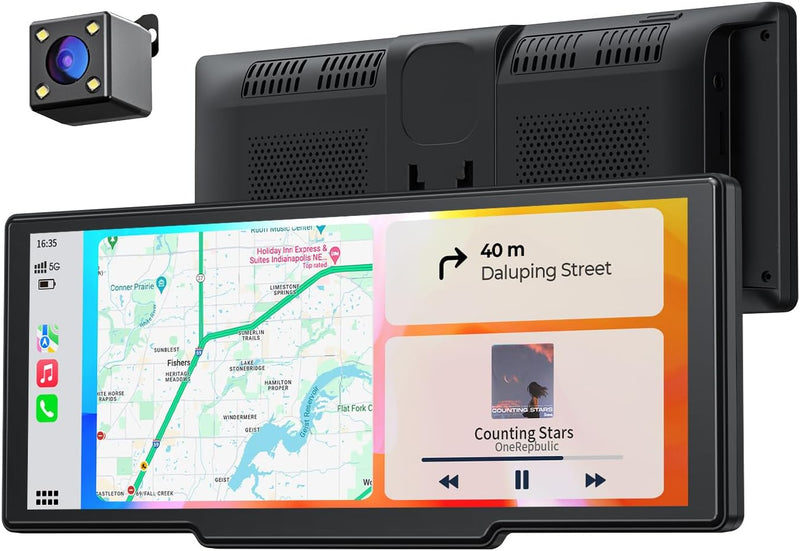
8.1" Wireless Portable 60FPS Car Play Screen for Apple CarPlay & Android Auto, OTA Updates, Backup Camera, Mirror Link, Bluetooth, Voice Control, GPS Navigation
A practical upgrade for every drive.
$143.98★★★★★
VIEW PRODUCT
carvibe™ · Drive the Detail. Feel the Vibe.
Smart automotive essentials designed to make every mile cleaner, safer, more comfortable, and more connected.
Car Care • Smart Tech • Interior Comfort • Roadside Essentials
Practical upgrades for the way you drive, travel, care, and explore.
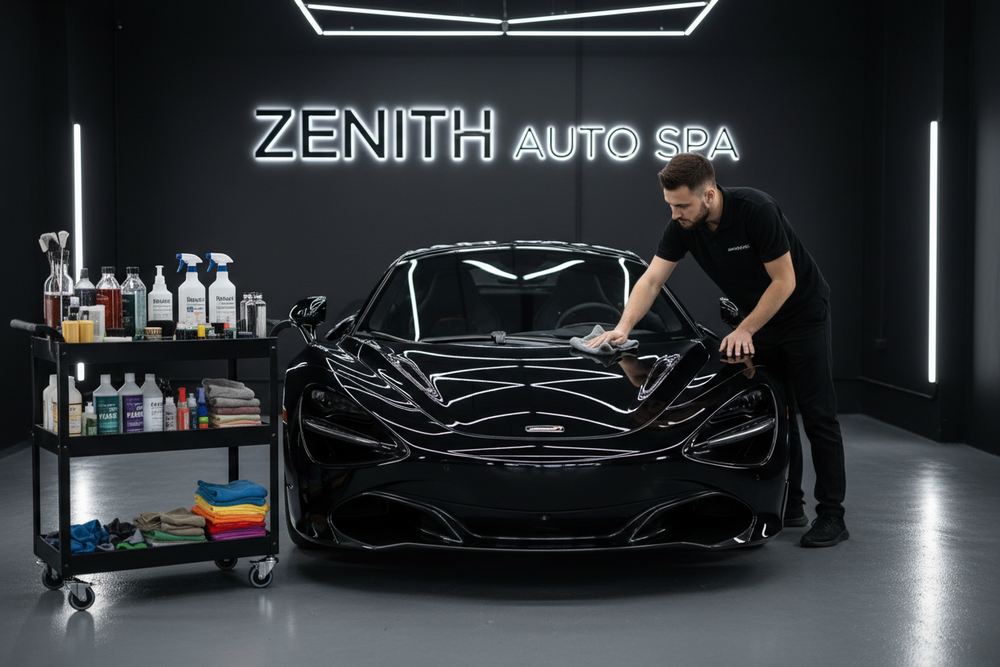
Keep every surface looking its best.
SHOP CAR CARE →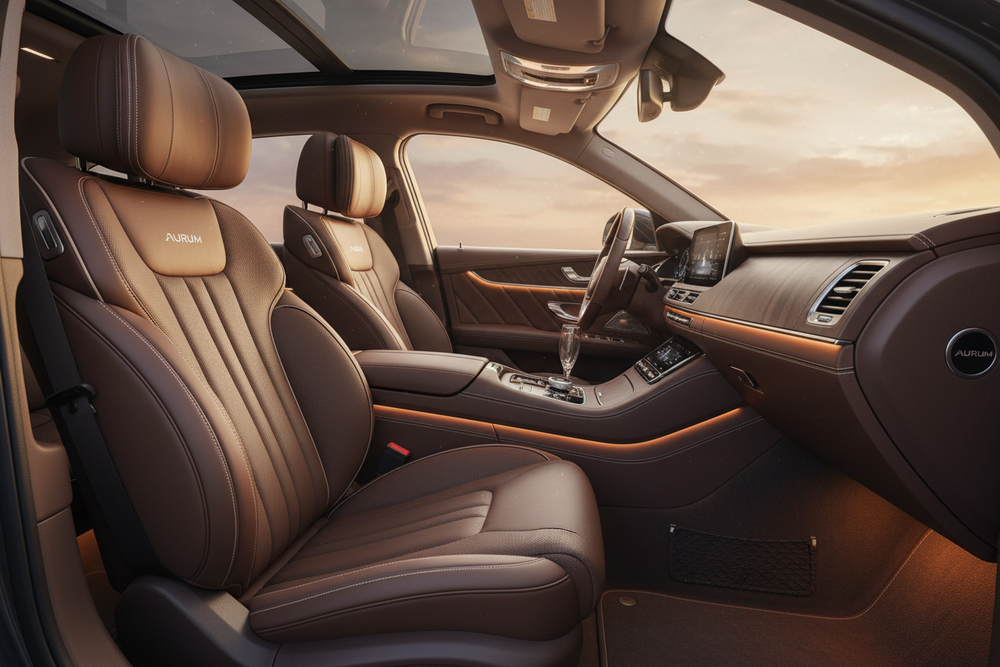
Create a cleaner, calmer, more comfortable cabin.
SHOP INTERIOR →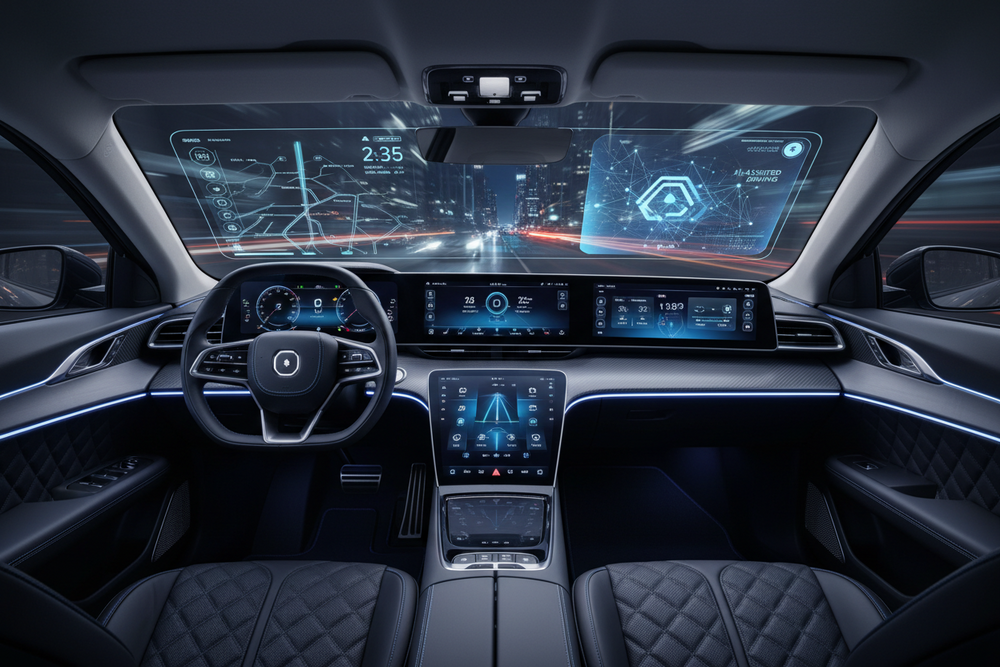
Stay connected without complicating the drive.
SHOP TECH →
Confidence for the unexpected.
BE PREPARED →
Protect, personalize, and upgrade your vehicle.
SHOP EXTERIOR →
Gear built for the road ahead.
SHOP MOTORCYCLE →Everyday upgrades chosen for comfort, convenience, care, and confidence.
A practical upgrade for every drive.
$143.98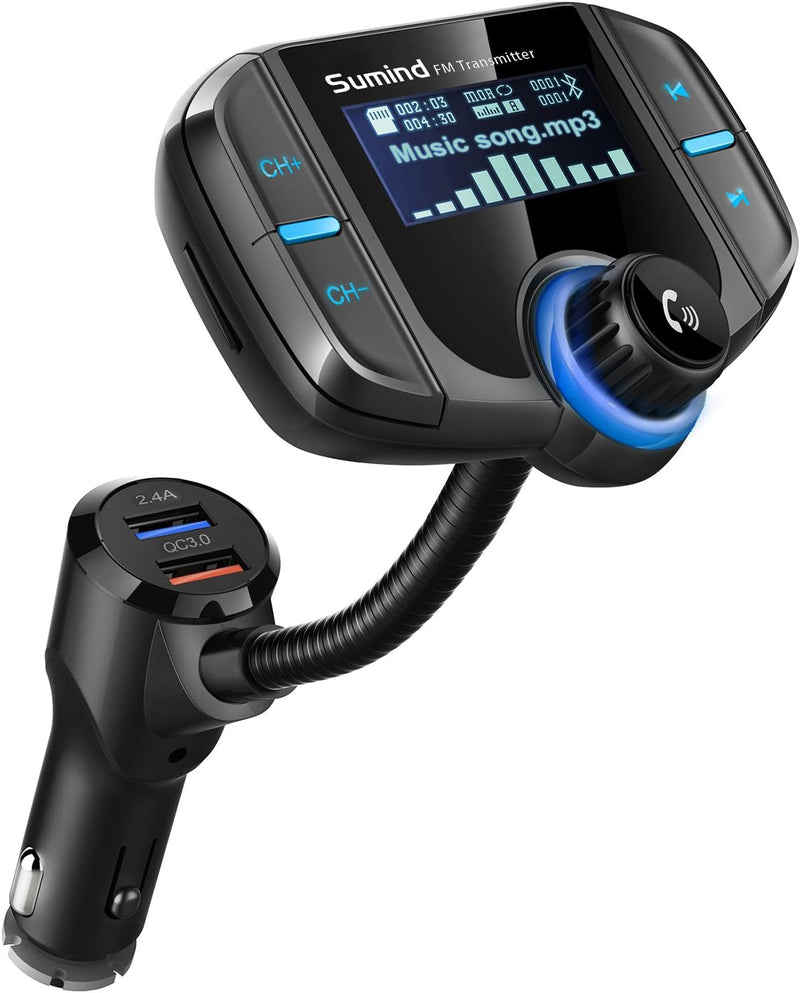
A practical upgrade for every drive.
$50.39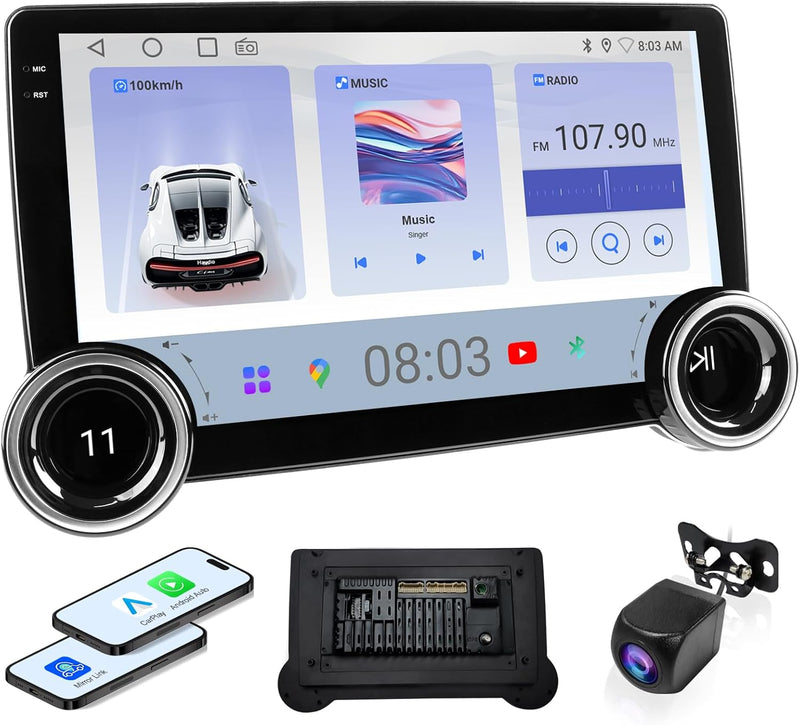
A practical upgrade for every drive.
$115.19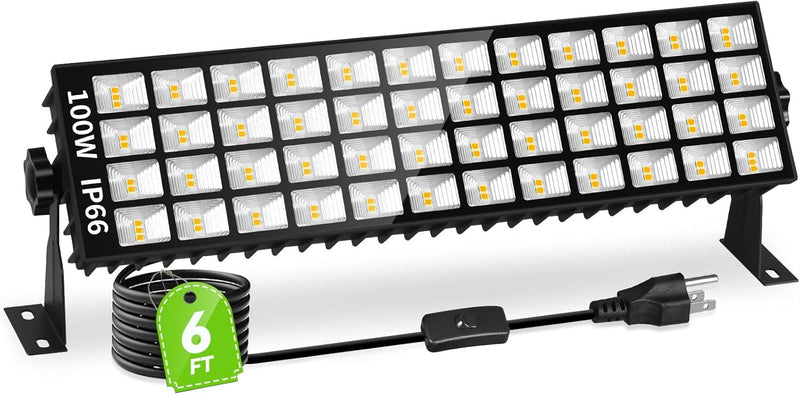
A practical upgrade for every drive.
$39.59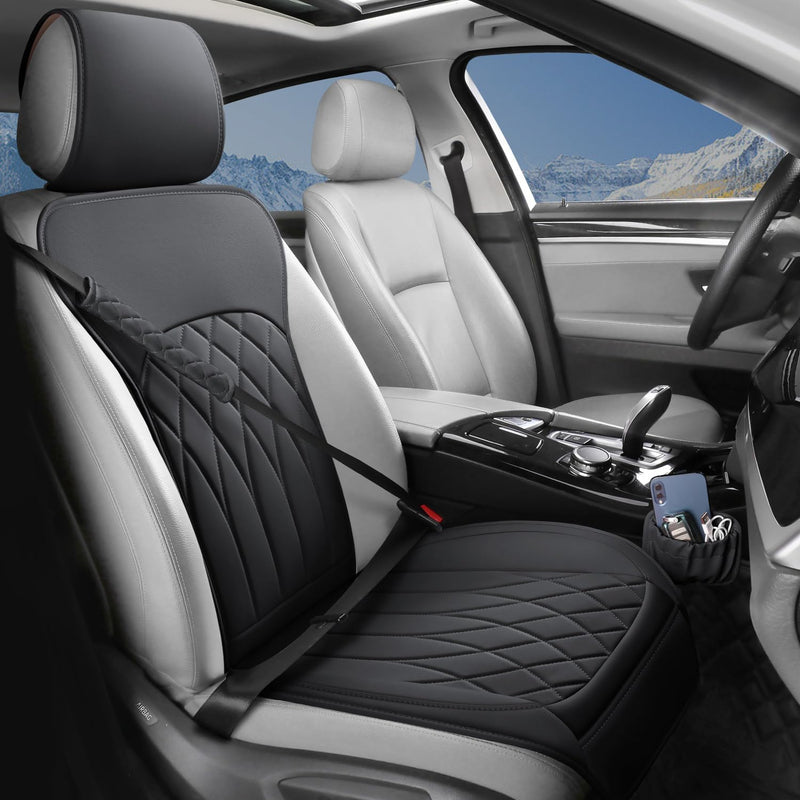
A practical upgrade for every drive.
$50.39
A practical upgrade for every drive.
$33.83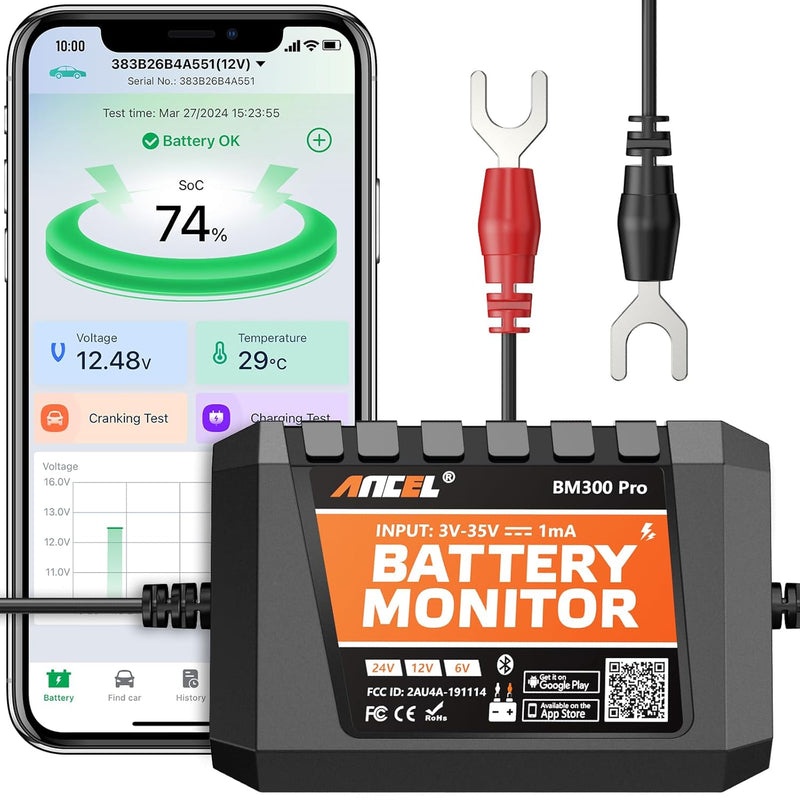
A practical upgrade for every drive.
$85.67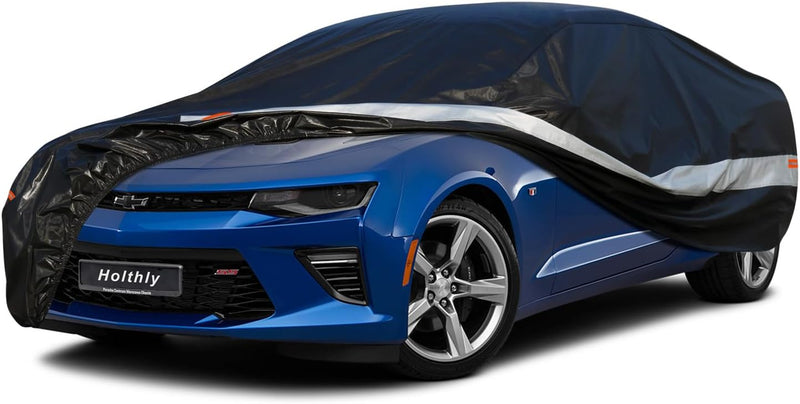
A practical upgrade for every drive.
$131.36
Discover practical car-care essentials that help your vehicle feel fresh, protected, and ready for every mile.
EXPLORE CAR CARE