The Diner at the Edge of Town
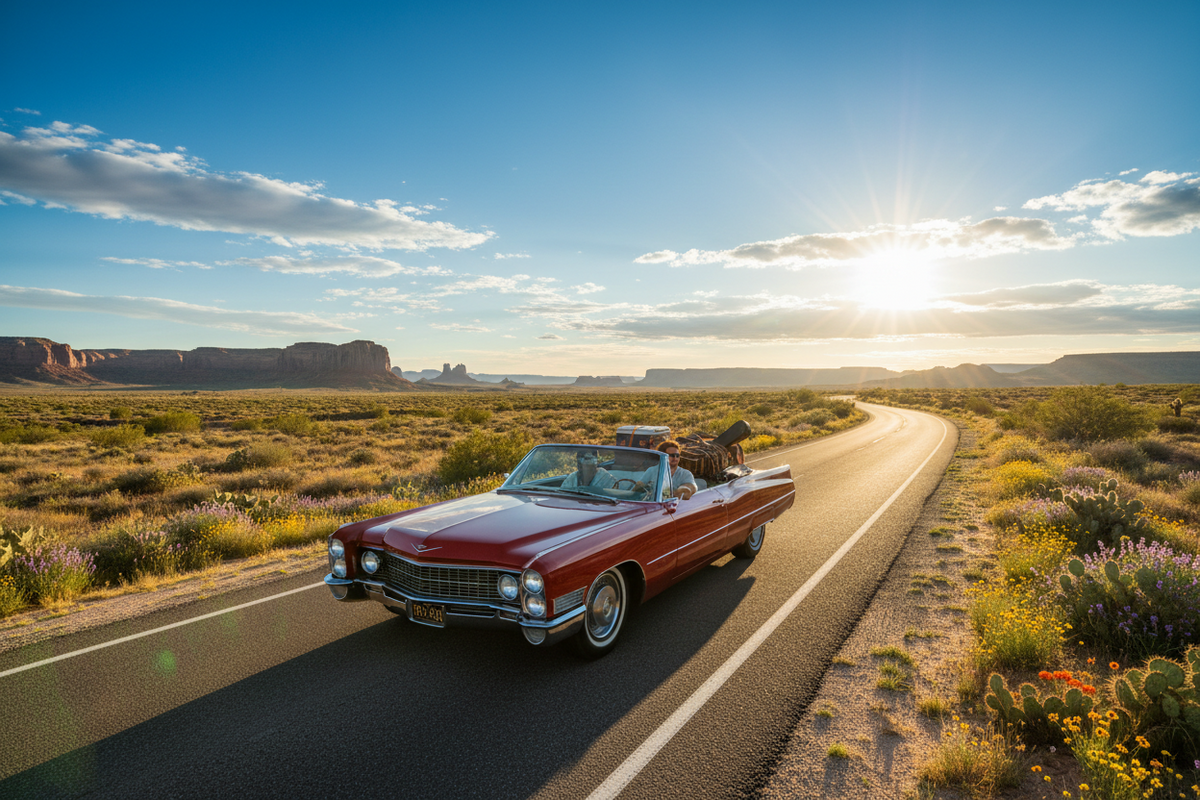
The highway stretched across the desert.
The afternoon sun was beginning to disappear behind distant mountains.
After several hours of driving, a small neon sign appeared beside the road.
DINER — OPEN
Inside, the booths were red.
The coffee was hot.
A jukebox stood near the entrance.
Travelers sat beside truck drivers, local families, and people passing through town.
Outside, the parking lot was filled with vehicles heading in different directions.
For a brief moment, everyone shared the same destination.
A roadside diner.
1. How Roadside Diners Became Part of American Culture
As automobile travel expanded during the twentieth century, highways connected cities, towns, and rural communities.
Travelers needed places to stop.
Restaurants, service stations, motels, and roadside attractions grew along popular routes.
Diners became particularly recognizable because they offered approachable meals, informal service, and convenient stops.
They were places where strangers could sit at neighboring tables and share the experience of the road.
For generations, roadside dining became closely connected with American automotive culture.
2. Route 66 and the Romance of the Open Road
Established in 1926, U.S. Route 66 became one of America's best-known historic highways.
It connected Chicago with Southern California through a series of communities and landscapes.
Over time, the route became associated with westward travel, roadside businesses, and the freedom of automobile exploration.
Its cultural importance extends beyond transportation.
It represents the idea that the journey itself can be meaningful.
Historic diners, motels, service stations, and roadside signs remain part of that story.
3. What Modern Drivers Can Learn From Old Road Trips
Today's vehicles are more comfortable and technologically advanced.
Navigation is easier.
Charging devices is simpler.
Finding accommodations takes less effort.
But older road-trip culture offers a valuable reminder.
A good journey should leave room for discovery.
Not every stop needs to be scheduled.
Not every meal needs to come from a drive-through.
Sometimes the best part of the trip is the place you never planned to visit.
4. The Problem With Overplanned Travel
Modern road trips can become surprisingly stressful.
Drivers try to maximize mileage.
Families rush between destinations.
Phones constantly display arrival times.
The focus shifts from enjoying the journey to completing it as efficiently as possible.
A better approach is to prepare carefully while allowing reasonable flexibility.
5. Six Ways to Make Your Next Road Trip More Enjoyable
1. Plan Your Main Route
Know your destination, expected driving conditions, and major stopping points.
2. Leave Room for Interesting Stops
Allow time for scenic overlooks, local restaurants, and historic attractions.
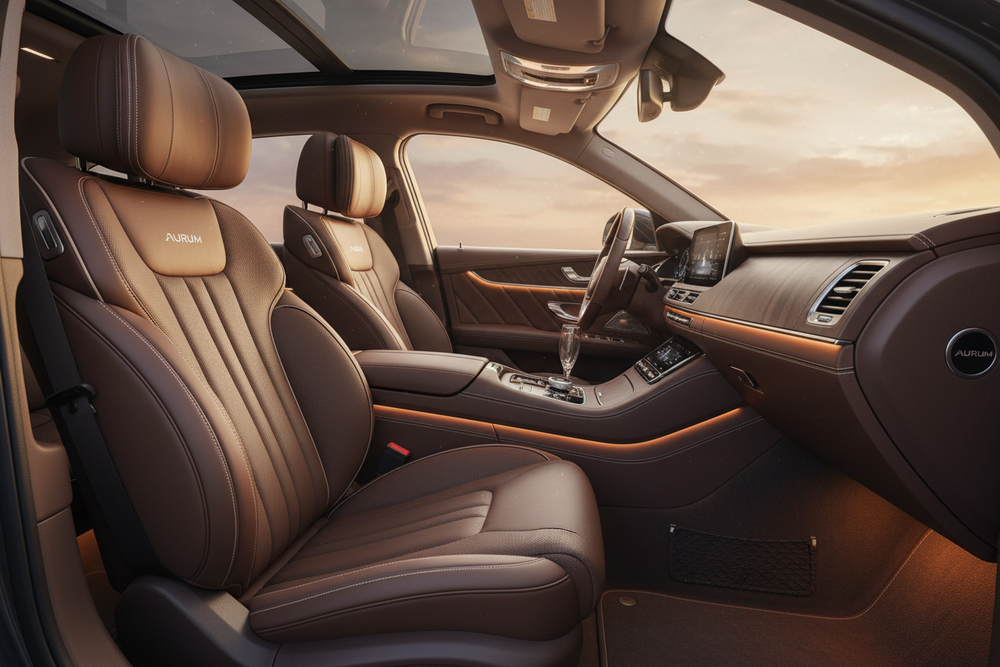
3. Keep the Cabin Organized
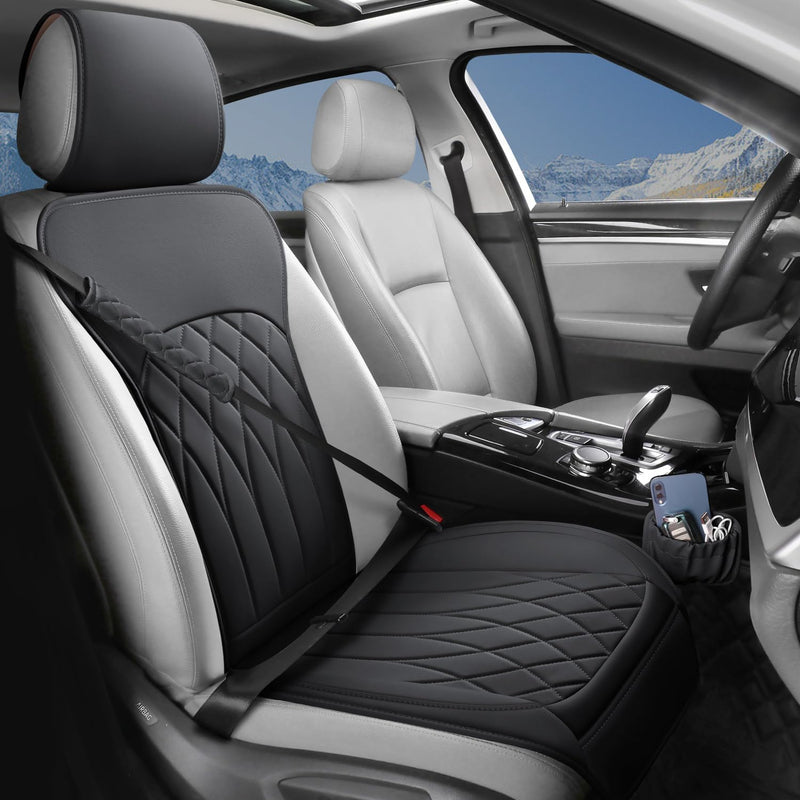
Use suitable organizers to separate snacks, chargers, personal items, and travel supplies.
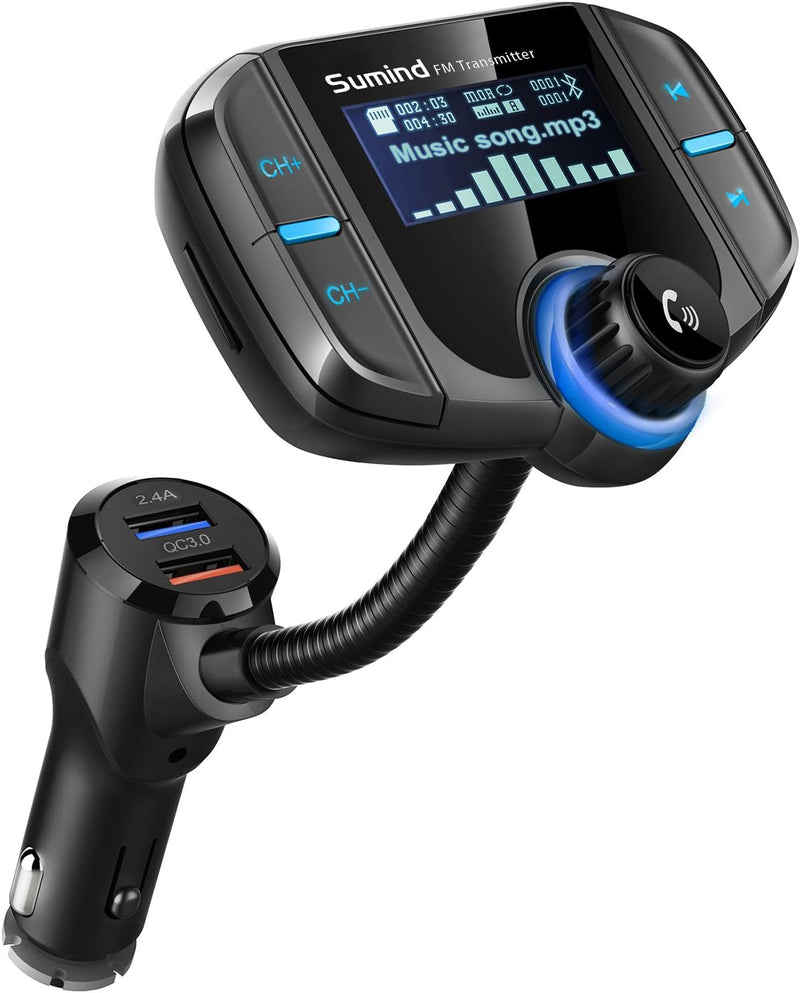
4. Prepare Your Technology
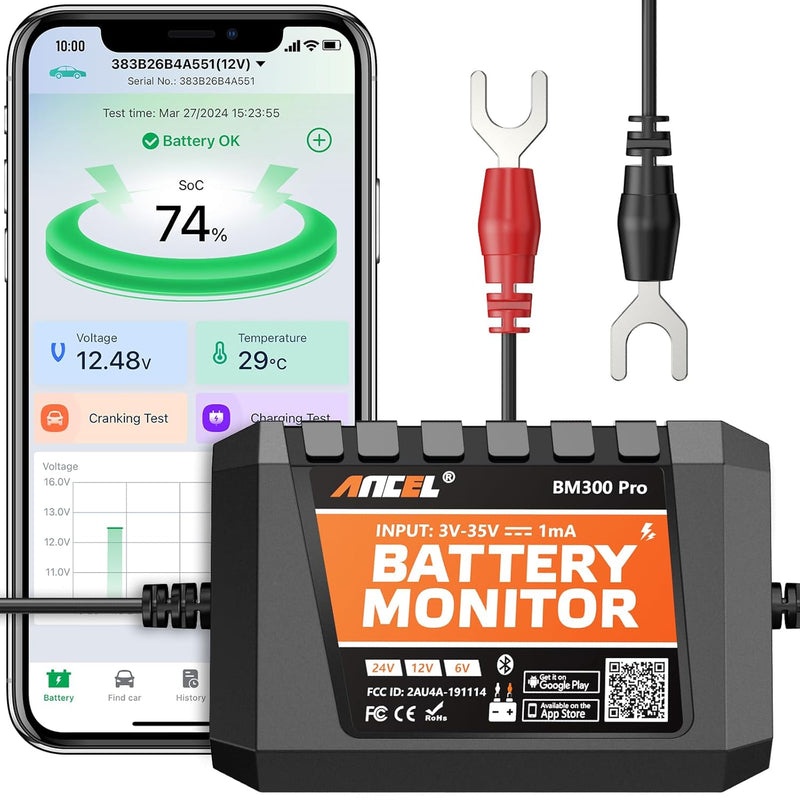
Check charging equipment and navigation before departure.
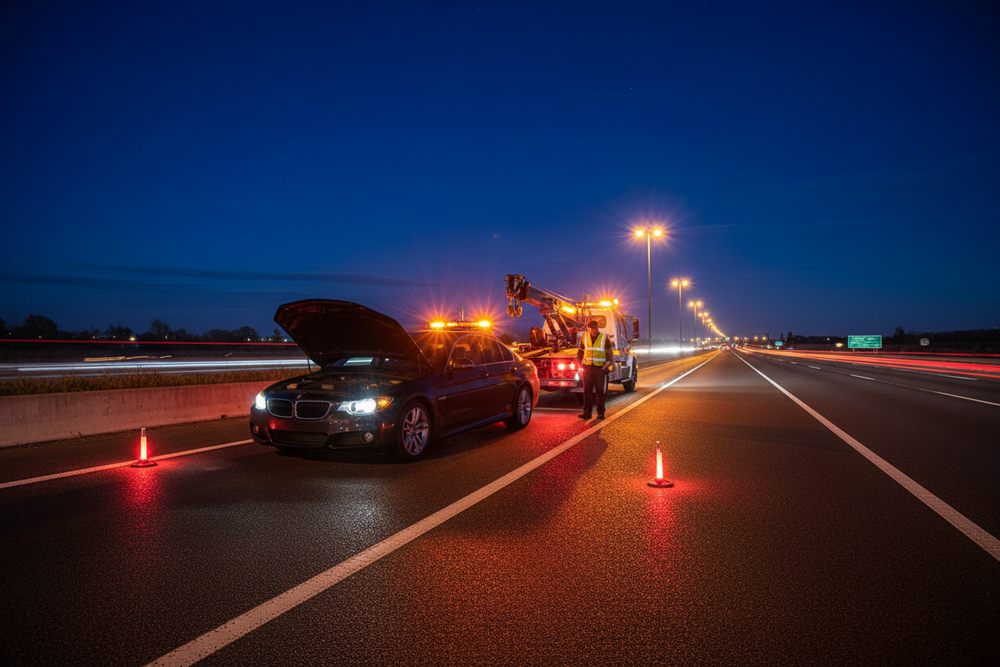
5. Bring Practical Roadside Supplies
Carry appropriate emergency equipment and know how to use it.
6. Make Rest Part of the Journey
Plan regular breaks and avoid driving while fatigued.
6. Recommended carvibe™ Collections
Road Trip Essentials — Practical products for long-distance travel.
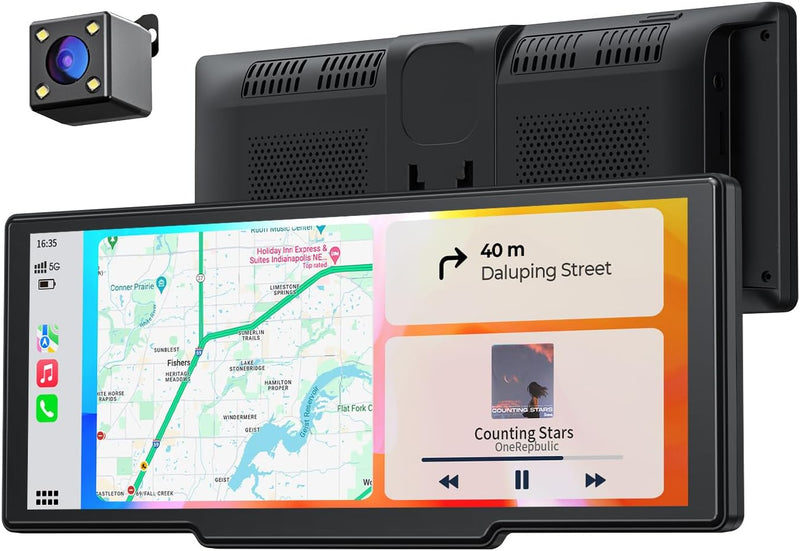
Smart Driving Tech — Charging, navigation, and connectivity accessories.
Interior Organizers — Convenient storage for frequently used items.
Roadside Emergency Gear — Equipment to support preparation for unexpected situations.
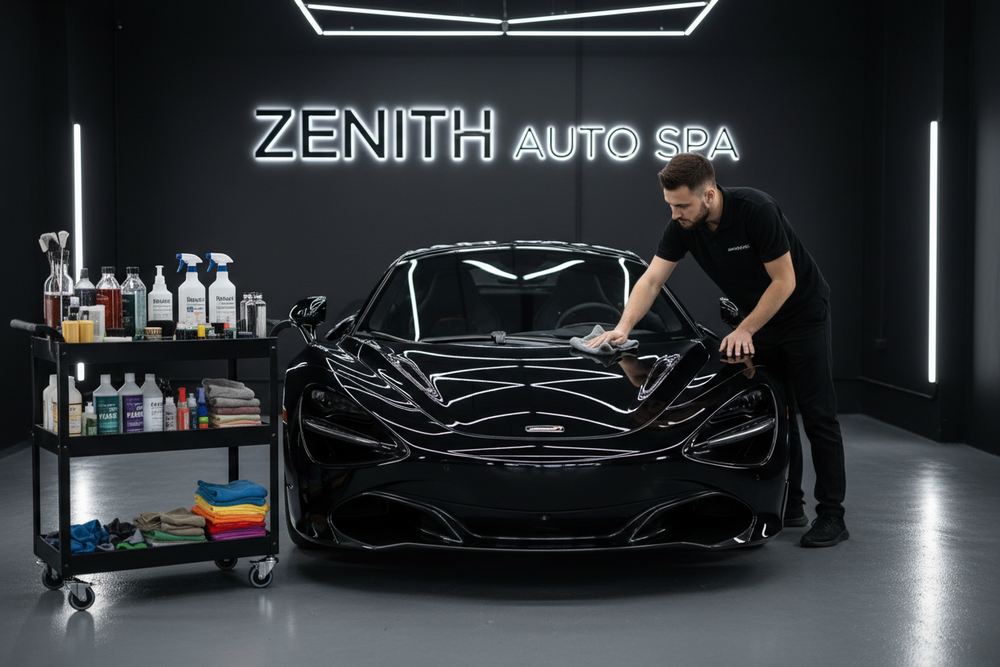
Car Care & Detailing — Cleaning supplies for keeping the cabin comfortable during travel.
7. Quick Buying Guide
Before choosing road-trip accessories, consider:
-
Vehicle compatibility
-
Ease of storage
-
Frequency of use
-
Power requirements
-
Accessibility
-
Ease of cleaning
-
Durability
Avoid carrying unnecessary equipment that creates clutter.
The best travel accessories are useful without becoming a burden.
8. Before & After
Before: A rushed trip focused only on arrival time, with disorganized supplies and little flexibility.
After: A thoughtfully prepared journey with accessible essentials, planned breaks, and time to enjoy unexpected discoveries.
Frequently Asked Questions
Is Route 66 still open for driving?
Many historic sections can still be explored, although the original highway was removed from the U.S. Highway System in 1985. Travelers should check current routes and road conditions.
What should I bring on a long road trip?
Useful essentials may include charging equipment, water, appropriate roadside supplies, navigation options, and organized storage.
How can I make road trips less stressful?
Prepare your vehicle, allow realistic travel time, take breaks, and keep frequently needed items accessible.
Final Thoughts: The Road Is More Than the Destination
Years after a road trip, people rarely remember every highway exit.
They remember the unexpected diner.
The friendly conversation.
The mountain view.
The coffee shared at sunrise.
The road becomes meaningful because of what happens along it.
At carvibe™, we believe practical preparation creates more room to enjoy those moments.
Explore Road Trip & Travel Essentials at carvibe™
Drive the Detail. Feel the Vibe.